
Aldevron Breakthrough Blog
Overcoming Cost Hurdles In Discovery and Development
February 11, 2026 by Maarten Walmagh
Three key challenges and how to approach them
Early-stage research forms a pivotal foundation for cell and gene therapy innovation. However, progress can be easily uprooted by the immense financial pressures surrounding the field. Costs at an early stage can escalate quickly, often due to avoidable pitfalls like poor reproducibility, unplanned material changes, or insufficient quality controls. These setbacks can delay programs, discourage investors, and, in some cases, derail therapies altogether.
At Aldevron, we’ve seen firsthand how the right choices in early-phase discovery and development can make the difference between a therapy that smoothly advances towards commercialization, and one that stalls under the weight of rising costs. Below, we explore three of the most common cost challenges in early-stage development and how to overcome them.
Challenge One: Low reproducibility rates
Reproducibility is the cornerstone of credible science. Yet, astonishingly, more than 50% of preclinical research cannot be replicated, leading to wasted money and a critical loss of time for researchers. Much of this inefficiency comes down to decisions made at the earliest stages, such as the choice of raw materials and processes.
Errors in reagents and reference materials account for over a third of irreproducible results. Poor study design, inconsistent lab protocols, and gaps in data analysis exacerbate the problem. This can lead to extended project timelines, inflated budgets, and increased risk of failure in later phases. You can overcome this challenge by:
- Selecting phase-appropriate, high-quality reagents early in development
- Partnering with experienced providers who can ensure materials are both reliable and scalable
- Prioritizing suppliers with proven reproducibility records across research and clinical grade products
Challenge Two: Changes in processes and materials
Switching materials or processes midstream is one of the most disruptive and costly events in development. For cell and gene therapies, disruptions can occur at any stage, often due to challenges meeting cGMP standards or scaling processes.
The impact is severe. Nearly half of cell and gene therapies entering Phase 3 trials face disruptions, compared to only 28% of monoclonal antibodies. Chemistry, manufacturing, and controls (CMC) issues are the leading cause of delays—often resulting in regulatory holds that add six months or more to a program’s timeline. Address this challenge by:
- Choosing reagents that are scalable to cGMP quality from the beginning
- Incorporating OTS materials with established Drug Master Files to simplify regulatory submissions
- Engaging with contract development and manufacturing organizations early to align long-term material strategies.
Challenge three: Gaps in quality assurance and critical quality attributes
Establishing robust QA practices early is essential to avoid costly delays during scale up and regulatory review. Without clear definition, and monitoring of critical quality attributes; such as potency, purity, and stability, programs risk failing comparability studies or facing regulatory holds.
For instance, when potency assays do not accurately reflect a therapy’s mechanism of action, false assumptions around efficacy may be made, undermining investor confidence and regulatory submissions. These issues can be overcome through:
- Defining relevant critical quality attributes as early as possible in discovery
- Implementing analytics that provide consistent data across lots, sites, and scale changes
- Working with CDMOs that have deep expertise in setting up robust assay systems tailored to cell and gene therapies
Starting with cost-efficient success in mind
The complexity of cell and gene therapy development means that costs will always be a core factor, but unnecessary costs don’t have to be. By focusing on reproducibility, phase-appropriate materials, and robust quality assurance from the outset, developers can dramatically reduce risks and keep promising therapies on track.
Partnering with an expert CDMO like Aldevron early in the journey ensures access to phase-appropriate materials, analytical expertise, and end-to-end manufacturing support. The result? A far more efficient path through preclinical and clinical development, and a stronger chance of bringing life-changing therapies to patients.
- Have questions on this topic? Contact Us
- Have an idea for a topic? Let us know!
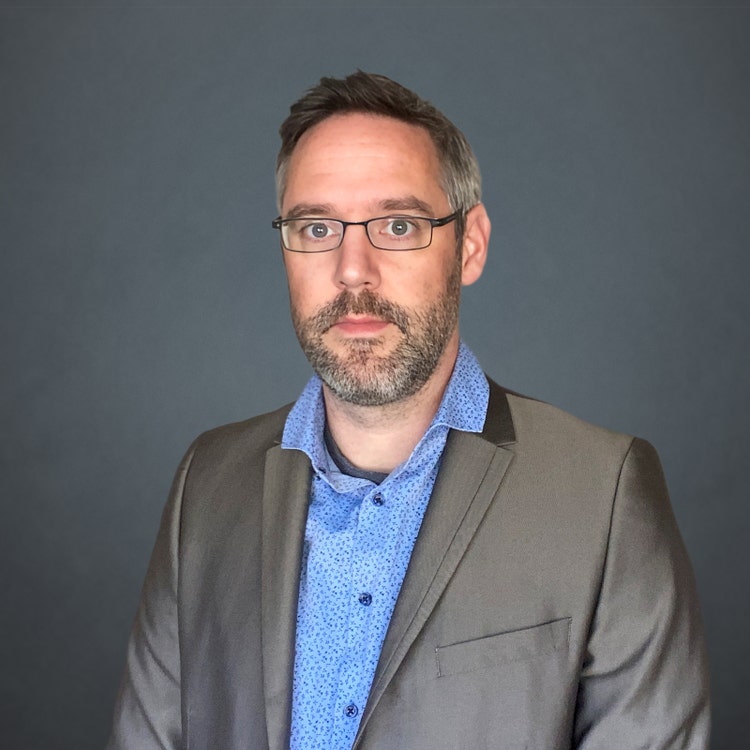
Maarten Walmagh, Business Development Manager for cell and gene therapy, oversees our business partnerships in France, Belgium, and the Netherlands. He holds a master's degree in bioengineering, and cell and gene technology, and a bachelor's degree in engineering, from KU Leuven in Leuven, Belgium. Prior to joining Aldevron, he was a biotech account manager for Cytiva.